ajanta caves paintingsajanta caves artajanta caves historybuddhist art ajantaajanta caves guide
Discover the stunning 2,000-year-old paintings and sculptures of Ajanta Caves. History, art styles, must-see caves, and visitor tips.
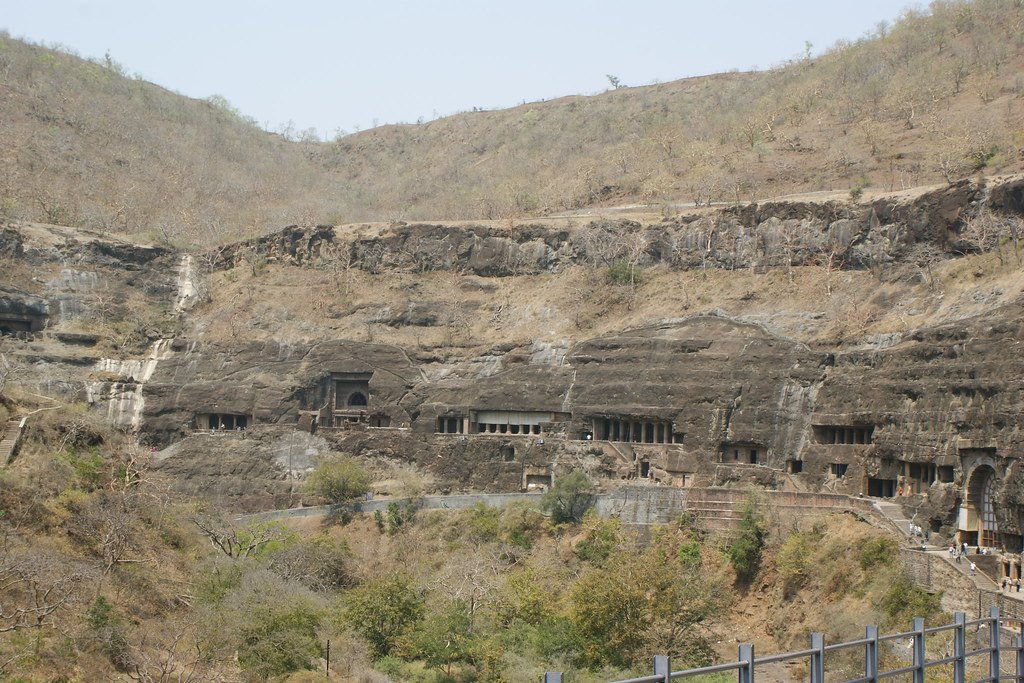
The Ajanta Caves, discovered in 1819 by a British officer, house some of the finest examples of ancient Indian art. The 30 rock-cut Buddhist caves contain paintings and sculptures dating back to the 2nd century BCE, depicting Jataka tales, Buddhist deities, and royal court scenes.
Must-See Caves
- Cave 1 — Padmapani and Vajrapani bodhisattva paintings
- Cave 2 — Wedding feast of Buddha's mother, celestial nymphs
- Cave 9 — Chaitya hall with Buddha in preaching posture
- Cave 10 — Largest chaitya hall at Ajanta
- Cave 16 — Dream of Queen Maya — one of most famous paintings
- Cave 17 — Most paintings per wall, beautiful narratives
- Cave 26 — Sculpture-heavy cave with reclining Buddha
Art Techniques
- Paintings made with natural pigments — red ochre, yellow ochre, lamp black
- Wet plaster technique — similar to Italian fresco
- Figures show Indian, Persian, and Greek influences
- Narrative panels tell stories of Buddha's previous lives
Visitor Tips
- Hire a guide at the entrance — paintings need explanation
- Photography is allowed but flash is prohibited
- Carry a flashlight — caves are dim inside
- Visit Cave 1 and 17 first — they have the best paintings
- Allow 3–4 hours for the complete cave tour
Book Your Trip
Satya Cabs offers Ajanta day trips from ₹3,500 (Sedan) to ₹5,000 (Innova Crysta). Call +91 73910 70797.