
Explore the rich Mughal and Maratha architecture of Aurangabad. Complete guide to visiting Daulatabad Fort, Bibi Ka Maqbara, Panchakki, Aurangzeb Tomb, and Khuldabad in a single day by private cab.
Aurangabad is one of the most historically layered cities in India. Founded in 1610 by Malik Ambar under the name Fatehnagar, it later became the capital of the Mughal Empire under Emperor Aurangzeb and witnessed centuries of Maratha valour and Nizam statecraft.
Scattered across a 35 km radius from the city center, these historic monuments are best explored by hiring a dedicated private cab. Here is your definitive guide to the top 7 historical monuments you can comfortably visit in a single day.
1. Daulatabad Fort (Devagiri) – 15 km from City
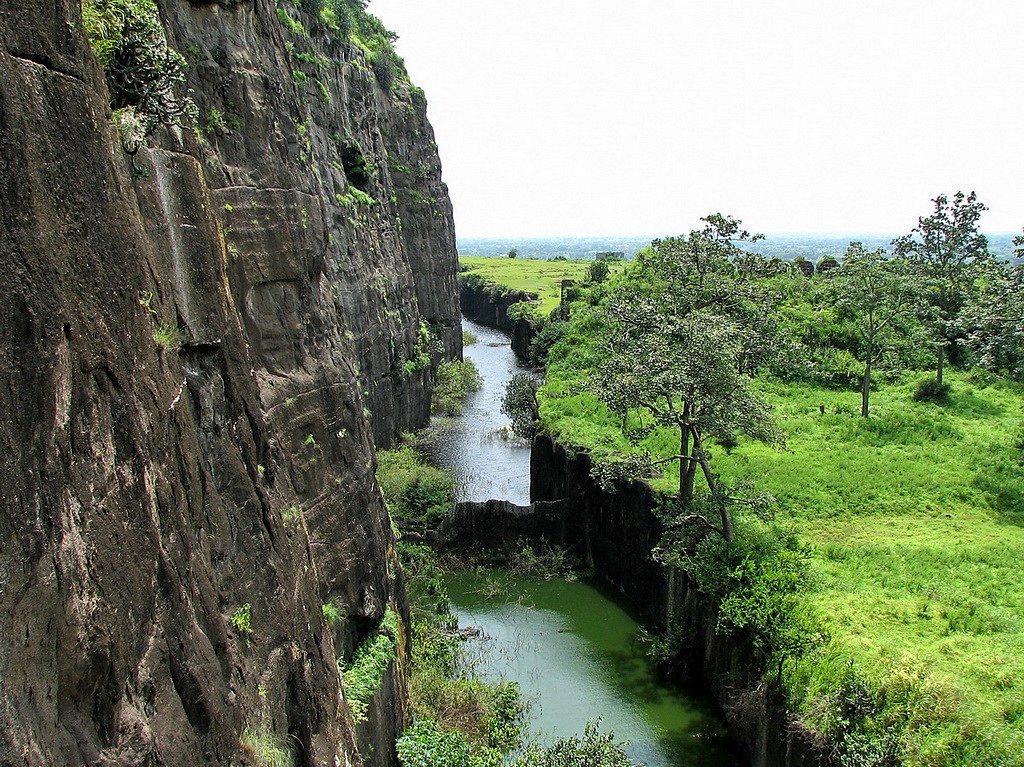
Rising dramatically 200 meters above the Deccan plateau on a conical hill, Daulatabad Fort was renowned as an impregnable citadel. Famous for its three concentric defense walls, steep stone moats, the towering 110-foot Chand Minar, and the spine-chilling dark maze passage (Andhari / Bhulbhulaiya) designed to disorient invading armies.
2. Bibi Ka Maqbara – In the Heart of the City
Constructed between 1651 and 1661 by Prince Azam Shah, this magnificent monument is known as the 'Taj of the Deccan' (Dakkhani Taj). Set within a formal Charbagh garden with reflecting water fountains, its intricate stucco carvings, marble dome, and four towering minarets evoke the grandeur of Agra.
3. Panchakki (17th-Century Water Mill)
Located within the shrine complex of Sufi saint Baba Shah Musafir, Panchakki is a testament to pre-modern hydraulic engineering. An underground earthen pipeline channel brings spring water from mountains 8 km away to power a huge stone flour mill that historically fed thousands of pilgrims daily.
4. Aurangabad Buddhist Caves (Sihyachal Hills)
Carved between the 6th and 8th centuries CE into the hillside behind Bibi Ka Maqbara, these 12 rock-cut Buddhist caves feature detailed panels depicting Buddhist goddesses, Avalokiteshvara, and musicians, offering sweeping vistas of the entire city skyline.
5. Tomb of Emperor Aurangzeb (Khuldabad, 25 km)
In sharp contrast to the lavish tombs of his Mughal predecessors in Delhi and Agra, Emperor Aurangzeb's final resting place in the holy Sufi town of Khuldabad is a simple, open-air earth grave, funded entirely by money he earned himself by sewing caps and copying the Quran.
6. Bhadra Maruti Temple (Khuldabad, 27 km)
One of only three temples in India where Lord Hanuman is depicted in a reclining (Bhavasamadhi) sleeping posture. Millions of devotees visit during the auspicious Marathi month of Shravan.
7. The 52 Historic Gates of Aurangabad
Aurangabad earned the title 'City of Gates' due to its fortified perimeter. Drive through iconic medieval archways including Bhadkal Gate (the earliest surviving gate built by Malik Ambar), Delhi Gate, Makai Gate, and Rangeen Gate.
Why a Private Day Cab is the Best Way to Explore
Attempting to cover these spread-out monuments via local buses or multiple autos takes days and causes severe physical fatigue. A private air-conditioned cab with Satya Cabs allows you to cover all 7 monuments in a single 8-hour tour, with secure storage for bags and door-to-door convenience.
Book Your Historical Monument Cab Tour
Step back in time and explore Aurangabad's royal heritage with our knowledgeable chauffeurs. Call Satya Cabs at +91 73910 70797 to book your heritage tour package.